
The two thirds of global agricultural land that is non arable (known as grasslands / rangelands / prairie / semi-arid lands etc) can make a critical contribution to climate, biodiversity and human food supply through grazing by ruminants.
This non arable land grows high cellulose plant material in the form of grasses, shrubs etc which are inedible for humans. Ruminants convert this to high quality nutrient dense human edible food contributing 25% of the world’s protein and 15% of daily energy.
This natural up-scaling system delivers both nutritional and economic survival to millions of small scale farmers in low and medium income regions (LMIC’s) and also is an important dietary and economic factor in developed regions. Ideology based views that ruminants have no place in a sustainable food system misunderstand, and misrepresent, the reality that non arable land cannot be diverted to crops while providing critical high quality nutrition to many of the world’s most vulnerable by utilising non-human edible material.
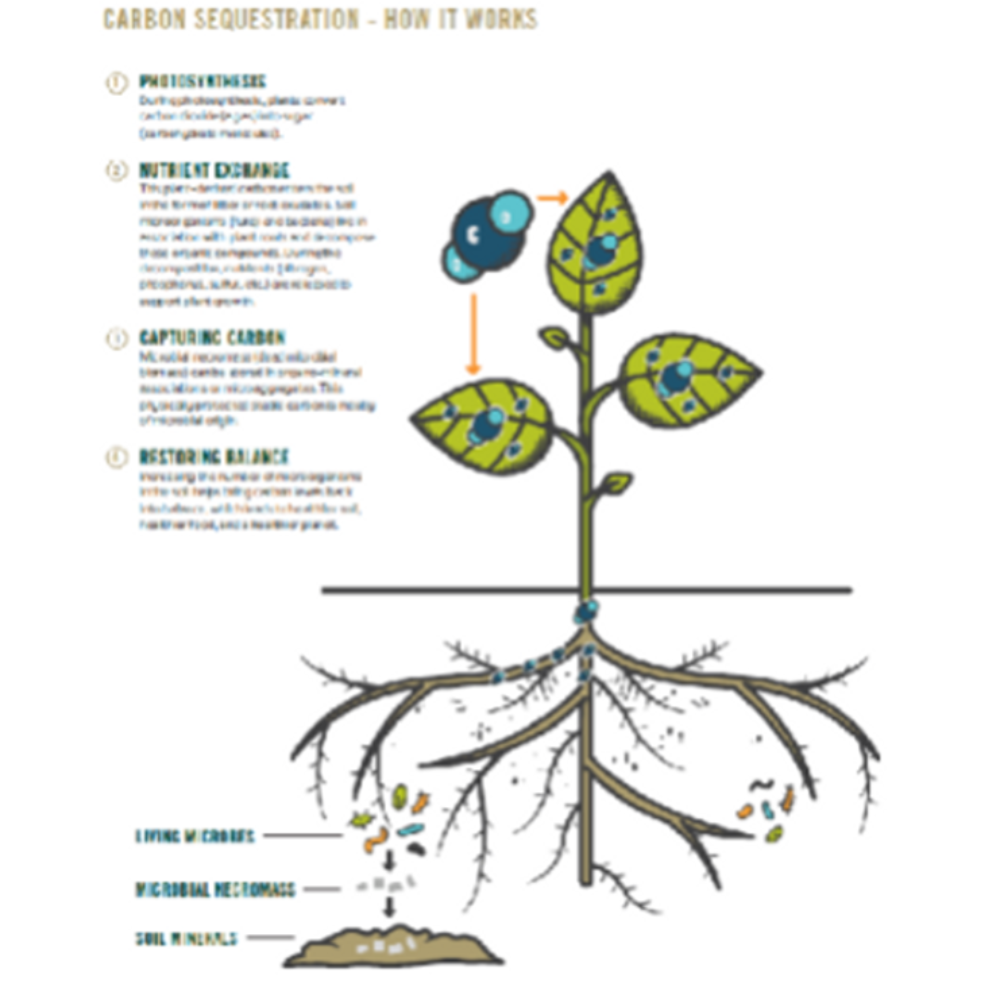
Global grasslands have developed in response to grazing by wild and domesticated animal species, however vast areas are currently degraded. Short term grazing pressure combined with long rest periods stimulates plant growth above and below ground which improves soil health by building organic matter and biological activity in the soil, while improving productivity.
The enhanced soil health enables ecosystem services including improved water cycling and significant capture of carbon and other GHG while producing highly nutritious food and stimulating soil biodiversity.